
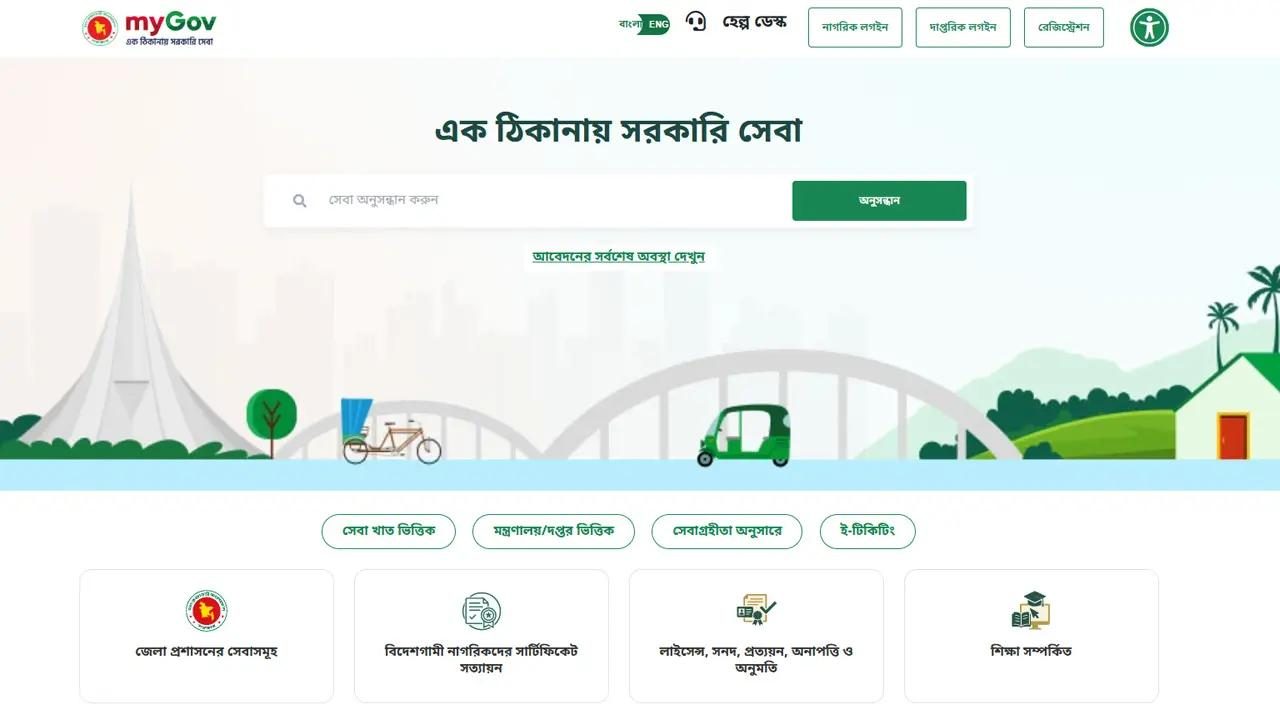
The expansion of online application facilities is creating new opportunities to make citizen services more accessible, efficient and convenient. With the growing use of digital platforms, people can increasingly complete various service-related applications and access important information without visiting government offices in person.
In the traditional service delivery system, citizens often had to visit relevant offices several times to collect application forms, submit documents, pay fees and check the progress of their applications. Digital services are gradually reducing these challenges by bringing many of these activities online.
Services related to birth registration, certificates, education, land administration, passports and other public facilities are among the areas where online application and information systems can make a significant difference. Depending on the service, users may be able to submit applications, make payments, track application status and receive necessary instructions through digital platforms.
One of the major advantages of online applications is saving time. Citizens may no longer need to stand in long queues or travel long distances simply to submit documents or obtain basic information. Digital systems can also help improve transparency, maintain records and make application progress easier to monitor.
However, expanding online services also requires addressing several important challenges. User-friendly websites, reliable digital infrastructure, personal data protection and clear application guidelines are essential to ensure that people can access services without unnecessary difficulties.
Special attention should also be given to rural communities, elderly citizens and people with limited digital literacy. Local digital service centres, accessible help desks, clear instructions and dedicated support systems can help ensure that no one is left behind in the digital transformation process.
The digitalisation of public services should not be limited to accepting applications online. The entire process, including document verification, approval and final service delivery, needs to become more efficient, transparent and accountable.
If online application systems continue to improve with a focus on accessibility, security and public convenience, they could play an increasingly important role in reducing administrative difficulties and strengthening citizens' confidence in digital public services.