The year 2027 could become another defining period for global politics, economics, technology and society. Rapid advances in artificial intelligence, shifting geopolitical relationships, climate-related challenges and changing economic priorities are expected to influence decisions made by governments, businesses and international institutions.
As countries adapt to an increasingly interconnected and uncertain world, several major developments are likely to attract international attention throughout the year.
Based on emerging global trends and forecasts published by international institutions and research organisations, here are ten key issues that could shape conversations around the world in 2027.
1. Artificial Intelligence Enters a New Era
Artificial intelligence is expected to become even more deeply integrated into everyday life, business operations, education and healthcare. Beyond conversational tools, AI agents capable of performing complex tasks independently could transform how organisations operate.
However, concerns about employment disruption, data privacy, misinformation and responsible AI governance will remain important global challenges.
2. A Changing Global Balance of Power
The international political landscape could experience further shifts as major powers compete for economic, diplomatic and technological influence.
Relations among the United States, China, Russia, European nations and emerging economies will remain important in determining the future of international cooperation, security and trade.
3. Climate Change and Extreme Weather
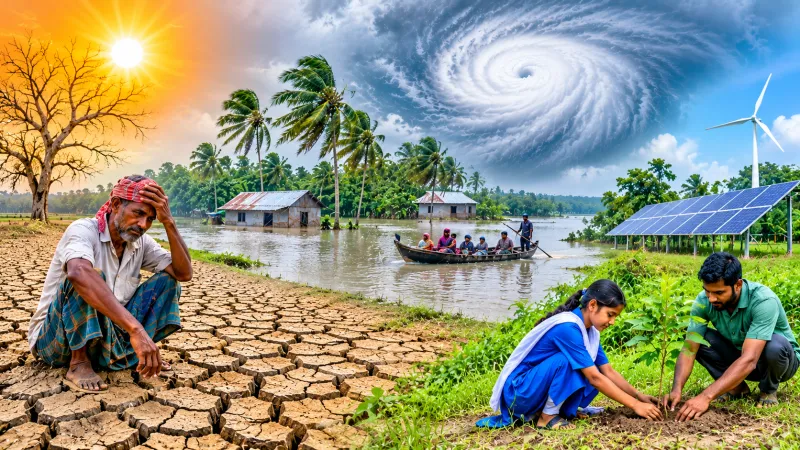
Climate change will continue to be one of the world's most pressing challenges. Heatwaves, droughts, floods, wildfires and rising sea levels could place additional pressure on communities, infrastructure and national economies.
Governments are likely to face growing demands to strengthen climate adaptation, reduce emissions and accelerate investment in sustainable solutions.
4. Global Economic Uncertainty, Inflation and Debt
The global economy could face a complicated combination of growth opportunities and financial pressures in 2027.
According to the IMF's October 2026 World Economic Outlook, global economic growth is projected at 3.4% in 2027. However, geopolitical tensions, energy prices, trade restrictions and financial market volatility could influence the outlook.
Managing inflation, public debt and economic stability will remain major priorities for policymakers.
5. Energy Security and the Renewable Energy Transition
Growing electricity demand and geopolitical uncertainty are expected to make energy security an increasingly important issue.
Solar power, wind energy, battery storage and modern electricity infrastructure could attract further investment. The expanding energy requirements of AI data centres and advanced industries may also accelerate the search for reliable and affordable power sources.
6. The Future of Jobs and Robotics
Automation, artificial intelligence and robotics are expected to reshape workplaces across manufacturing, transportation, customer services and other industries.
While certain traditional roles may decline, new opportunities could emerge in technology, engineering, digital services and specialised industries.
Developing new skills and adapting to changing labour market requirements will become increasingly important.
7. Healthcare and Biotechnology Breakthroughs
Medical research and biotechnology could make further progress in 2027, particularly in personalised medicine, genetic research, disease detection and drug development.
AI-assisted healthcare and innovative treatments for chronic diseases may receive greater attention. At the same time, affordability, safety and equal access to medical innovations will remain significant concerns.
8. The Expanding Space Economy
Space exploration is increasingly becoming a commercial opportunity rather than an activity limited to government agencies.
Private space companies, satellite communication networks, commercial launch services and space-based data infrastructure could open new economic possibilities.
The development of commercial space technologies may become an important subject for investors, governments and technology companies in 2027.
9. Global Trade and Supply Chain Restructuring
International trade could experience further changes as countries reconsider their economic dependencies and strategic partnerships.
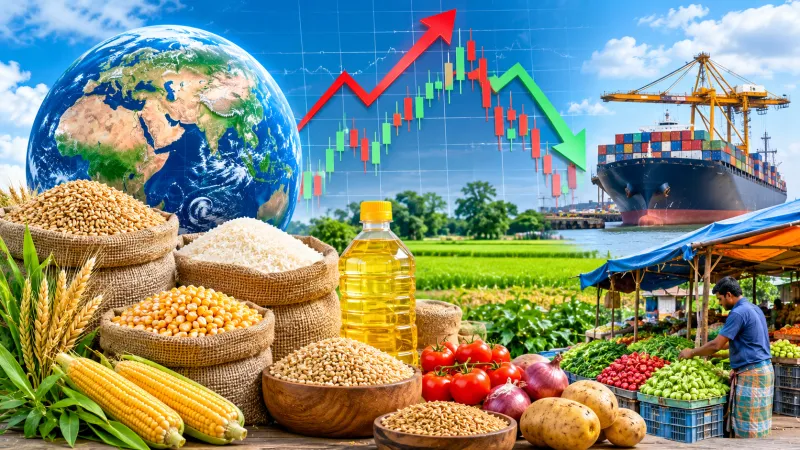
Competition over semiconductors, critical minerals, food supplies and energy resources may encourage governments and companies to diversify production and sourcing networks.
The ability to build resilient supply chains could become a major competitive advantage.
10. Cybersecurity and the Future of Digital Trust
As digital services and AI-generated content become more widespread, cybersecurity risks are expected to attract increasing attention.
Cyberattacks, identity theft, financial fraud and manipulated digital information could create serious challenges for governments, businesses, financial institutions and media organisations.
Strengthening digital infrastructure, protecting personal information and improving online information verification will be essential.