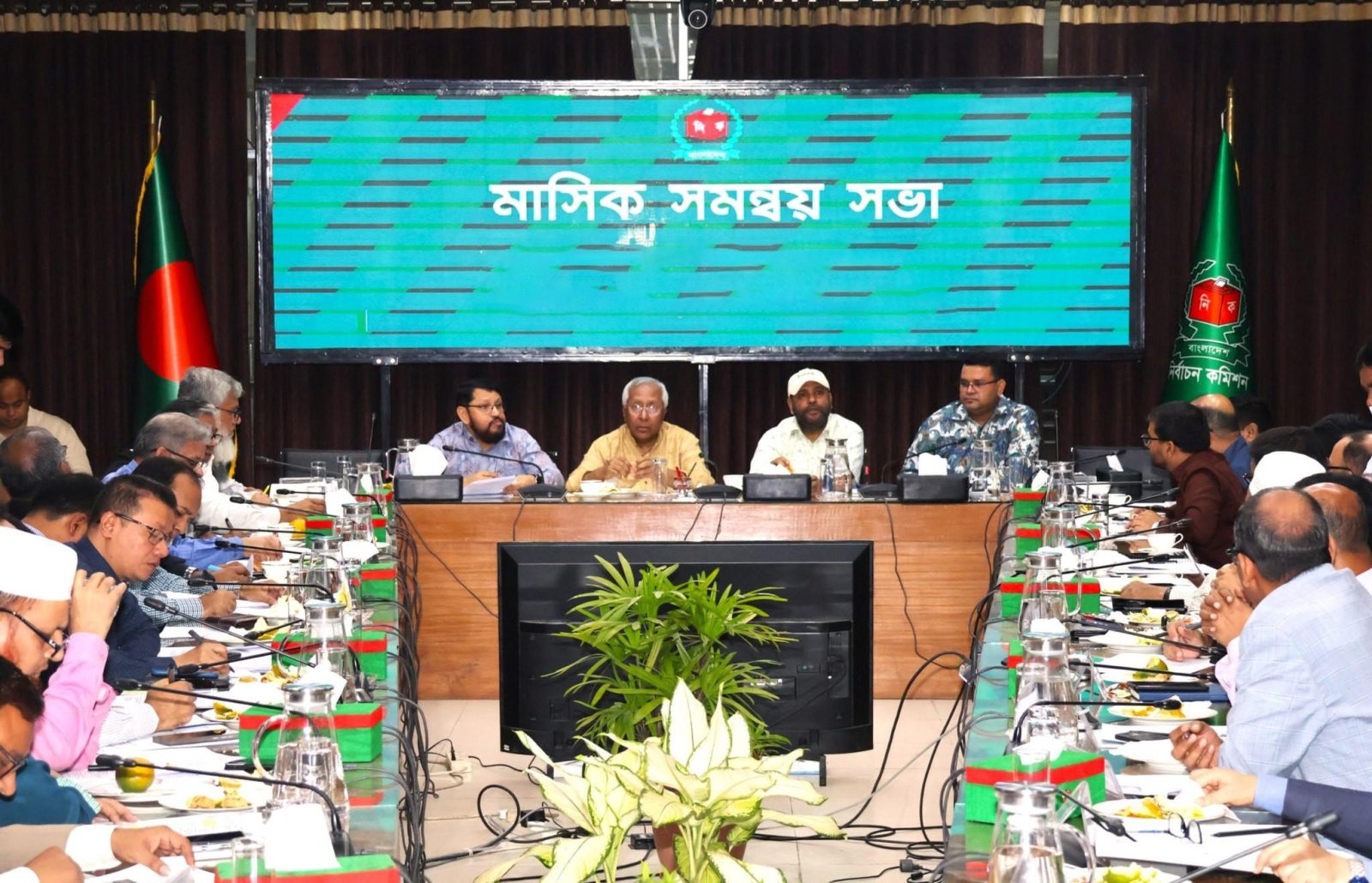
Preparations for the upcoming local government elections are gaining attention, with discussions focusing on the administrative and logistical measures required to ensure a free, fair, transparent and participatory electoral process.
Local government institutions play a vital role in delivering public services, implementing development projects and strengthening grassroots administration. Elections to these institutions provide citizens with an opportunity to choose representatives who can address local needs and contribute to community development.
Preparatory discussions may cover several important aspects of election management, including polling centre arrangements, law enforcement coordination, voter security and the deployment of necessary personnel. Training for election officials and the timely distribution of essential materials are also important components of the preparation process.
Ensuring a safe and accessible voting environment for all eligible voters remains a major priority. Citizens should be able to exercise their voting rights without fear, intimidation or unnecessary obstacles. At the same time, compliance with electoral rules and equal opportunities for all candidates are essential to maintaining public confidence.
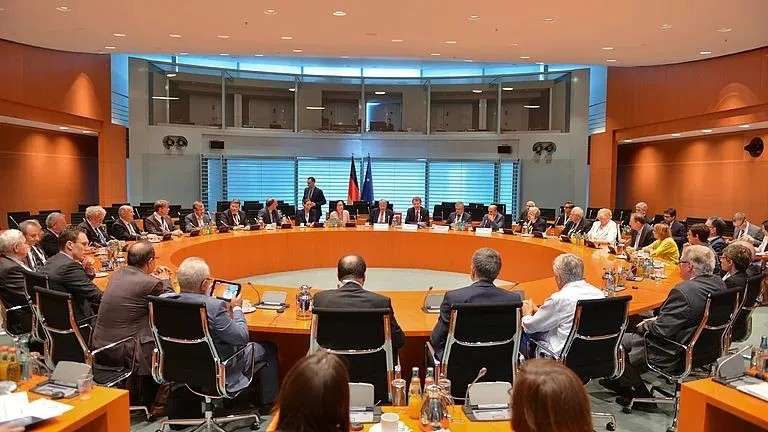
Effective coordination among administrative authorities, election officials, law enforcement agencies and other relevant institutions will be crucial. Strong communication between these stakeholders can help identify potential challenges and ensure timely responses during different stages of the election.
Beyond polling day, election preparations should also include arrangements for vote counting, the publication of results and the management of post-election situations. Transparency, accountability and the proper application of electoral laws are essential to ensuring the credibility of the entire process.
A successful local government election requires more than administrative readiness. Responsible conduct, public awareness, institutional cooperation and active voter participation are equally important. A well-organised electoral process can strengthen democratic practices and contribute to effective grassroots