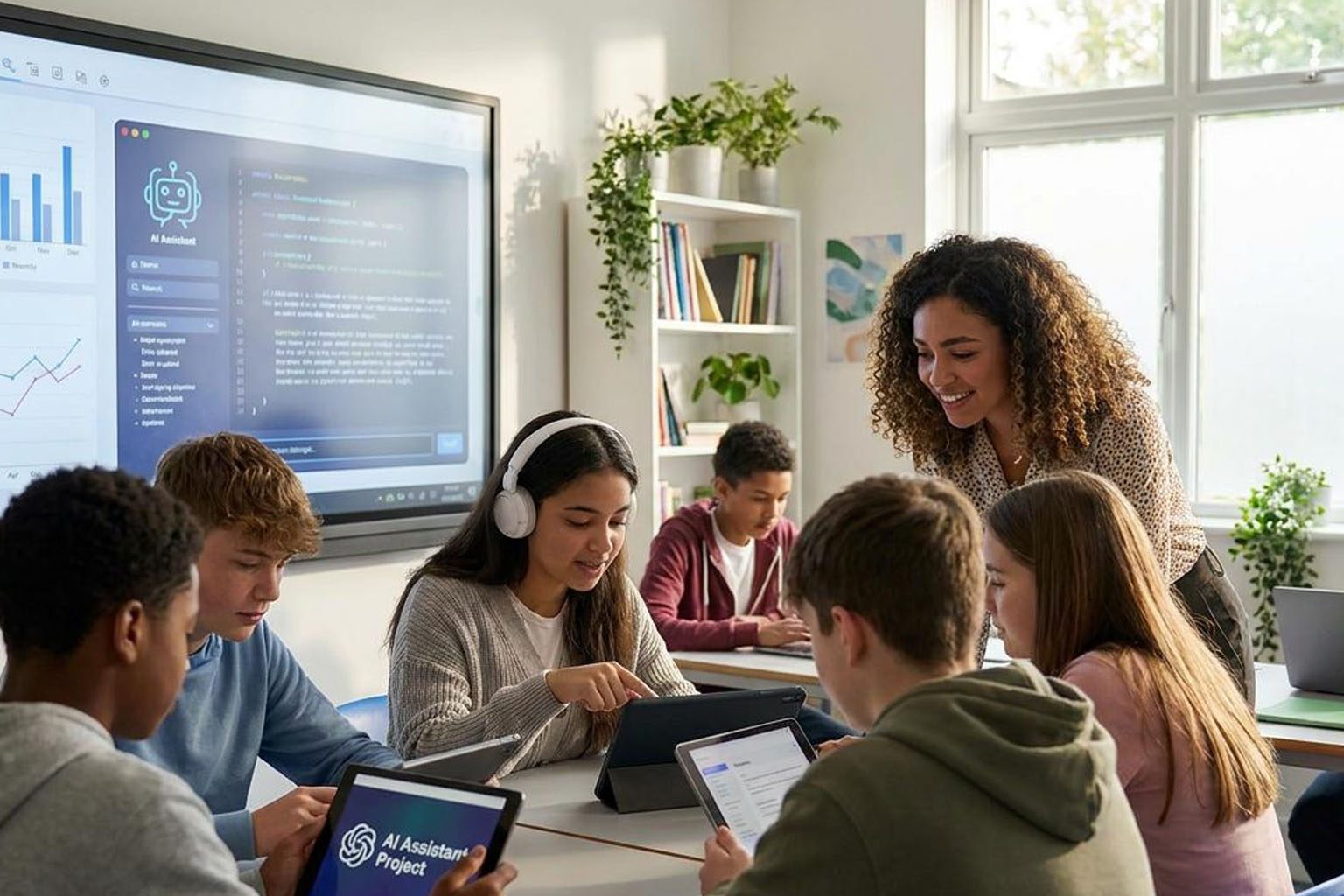
Technology in education is now a necessity. Online classes kept learning going in a crisis, but also showed how students without devices or internet fell behind. The question is not whether to use technology, but how.
What technology offers
- Animations and simulations that make abstract ideas visible.
- Learning at one’s own pace.
- Access to good teaching in remote areas.
- Time saved on attendance, assessment and planning.
Where caution is needed
Technology cannot replace a teacher who reads students’ moods. Devices alone achieve little without teacher training, quality Bangla content and technical support. Too much screen time harms children’s health and focus.
The AI challenge
AI can write essays and solve sums in seconds, exposing the weakness of rote-based assessment. We need assessment that tests thinking, analysis and creativity, and we must teach honest, responsible AI use.
Closing the digital divide
If tech-based learning serves only well-off urban families, it widens inequality. Shared school computer labs, affordable internet, offline content and TV and radio lessons are essential.
Technology is a tool, not the goal. The goal is thoughtful, skilled and humane people.
(Opinion pieces reflect the author’s own analysis.)