Long hours without food make the choice of sehri and iftar meals important. Iftars heavy on fried and sugary food often lead to acidity, indigestion and tiredness.
At sehri
- Slow-digesting foods—rice or wholemeal bread with lentils, vegetables, fish or eggs.
- Protein from eggs, milk, yoghurt, fish or chicken to curb hunger.
- Several glasses of water, but not all at once.
- Avoid excess salt, spice, oil and too much tea or coffee.
- Do not skip sehri; eating closer to its end reduces daytime fatigue.
At iftar
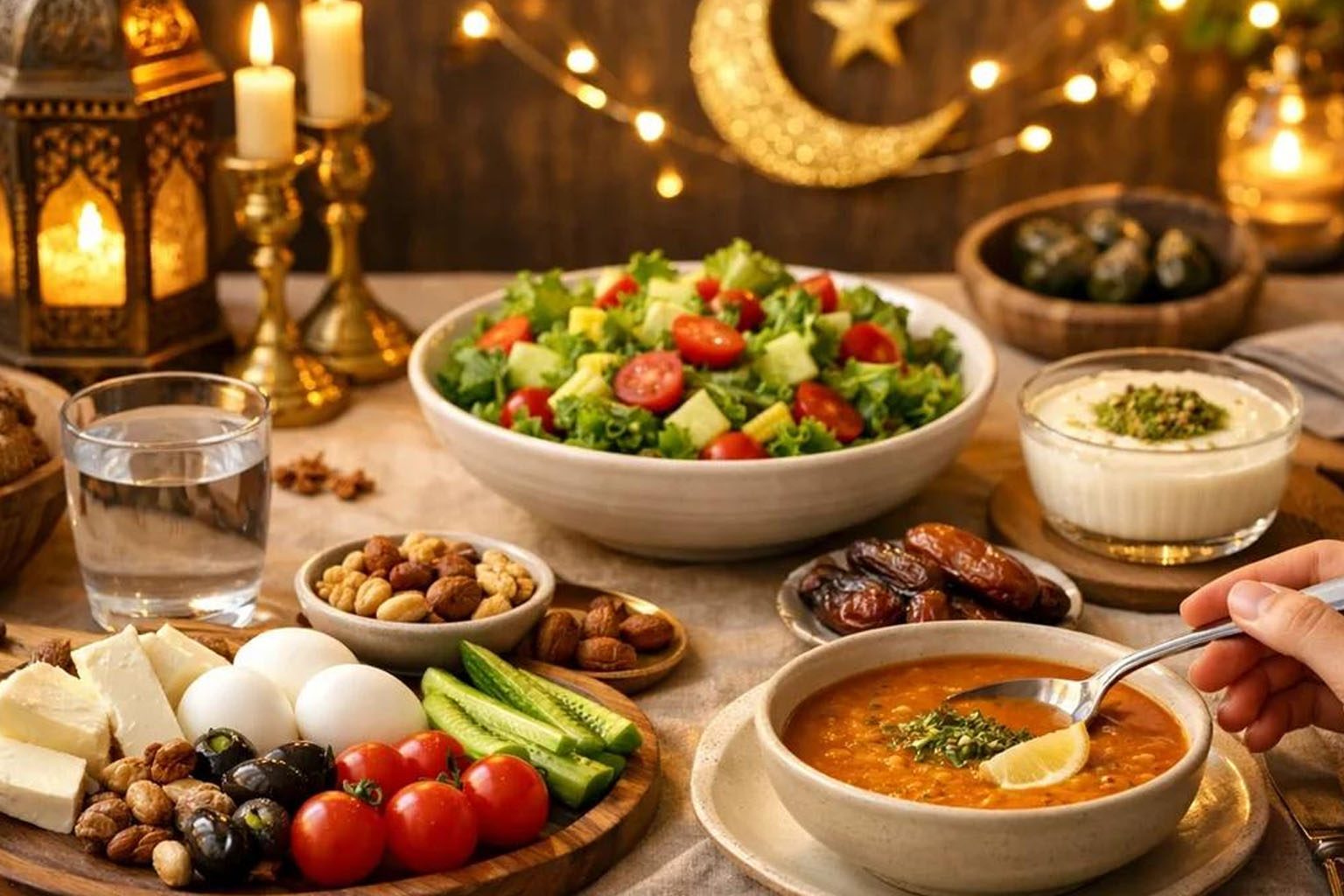
- Break the fast with dates and water.
- Fruit such as watermelon, papaya, banana and pineapple, plus lemon water or coconut water, with little sugar.
- Limit fried snacks, especially those fried in reused oil.
- Try soaked chickpeas, flattened rice with yoghurt, vegetable soup and salad.
- Eat slowly and in small portions.
Drink water gradually between iftar and sehri, keep dinner light and sleep enough. People with diabetes, high blood pressure, kidney or heart disease, and pregnant or breastfeeding women should consult a doctor before fasting and seek care for dizziness or signs of low blood sugar. Shop according to need and share iftar with those in need.