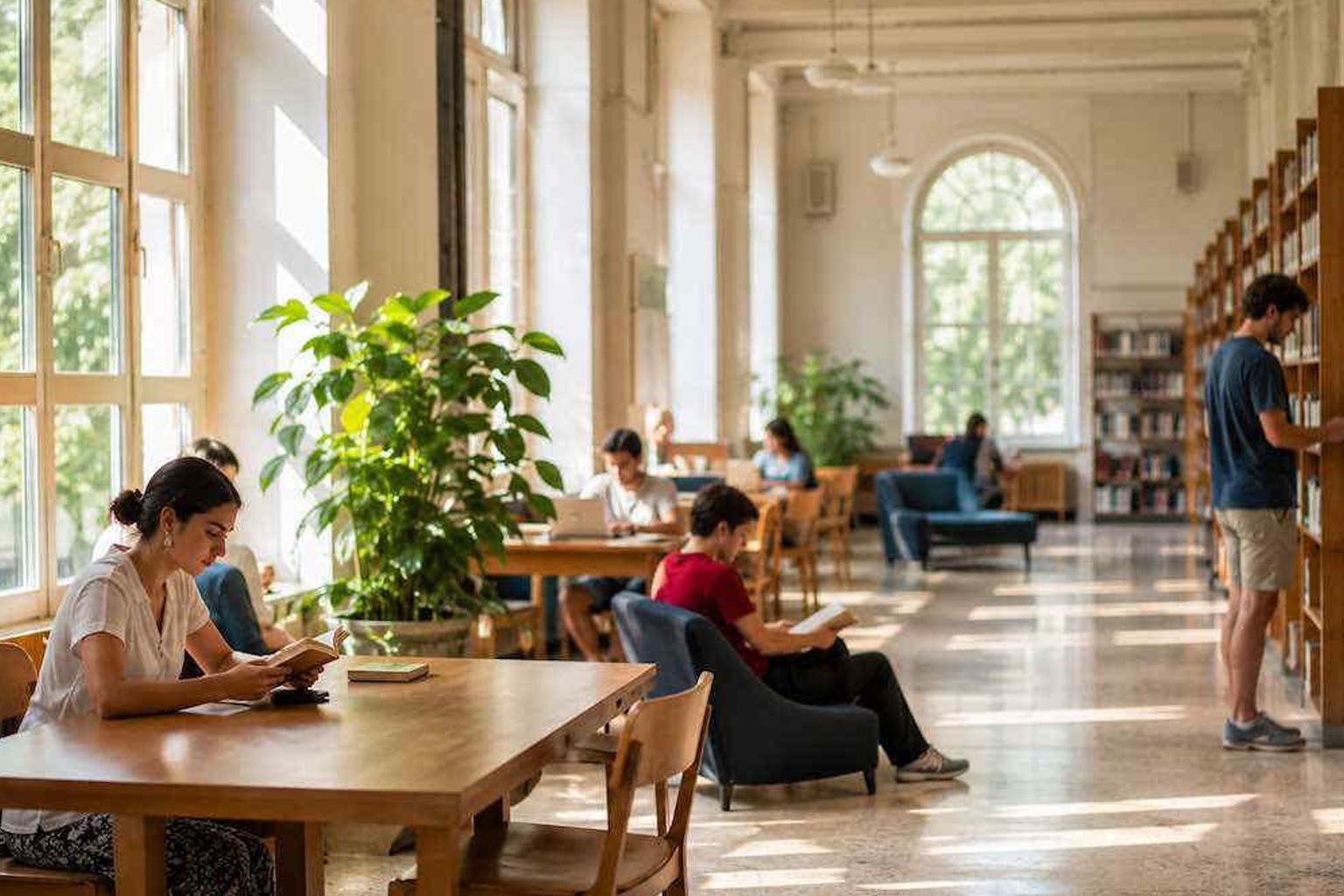
A good book opens the mind, yet many children in villages and small towns rarely see books beyond their textbooks. Community libraries—in a mosque, temple, school or small neighbourhood room—can fill that gap.
Why libraries matter
- Building reading habits that improve language, imagination and focus.
- Free access for those who cannot afford books.
- Moral and social learning through biographies, history and ethical books.
- Keeping young people engaged and away from drugs and crime.
- A meeting place for discussions, debates and quizzes.
Role of religious institutions
Mosques have historically been centres of learning as well as worship. A library room lets worshippers read before or after prayers and gives children a place to learn; adding books on health, farming and science makes it more useful.
How to start one
- A safe, well-lit room—or even a large shelf.
- Book donations from residents, expatriates and well-wishers, and help from public library authorities or publishers.
- A volunteer committee of young people and teachers.
- Simple lending rules and fixed opening hours.
- Reading circles, storytelling and reading competitions.
- If possible, a computer with e-books.
A library is a workshop for a community’s future. Donating one old book can be the start.