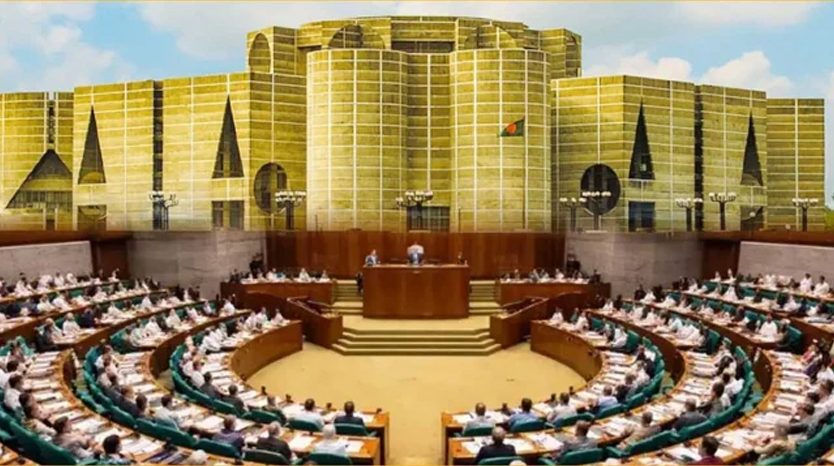
The progress of budget implementation, proper utilization of allocated funds and the effectiveness of development activities are important issues for parliamentary oversight in Bangladesh.
A review of budget implementation by a parliamentary committee can play a significant role in strengthening financial accountability, improving public expenditure management and ensuring that government funds are used effectively.
Timely completion of development projects, efficient allocation of resources and achievement of planned targets remain essential elements of successful budget execution. However, administrative complexities, implementation delays and planning limitations can sometimes affect the expected progress of public projects.
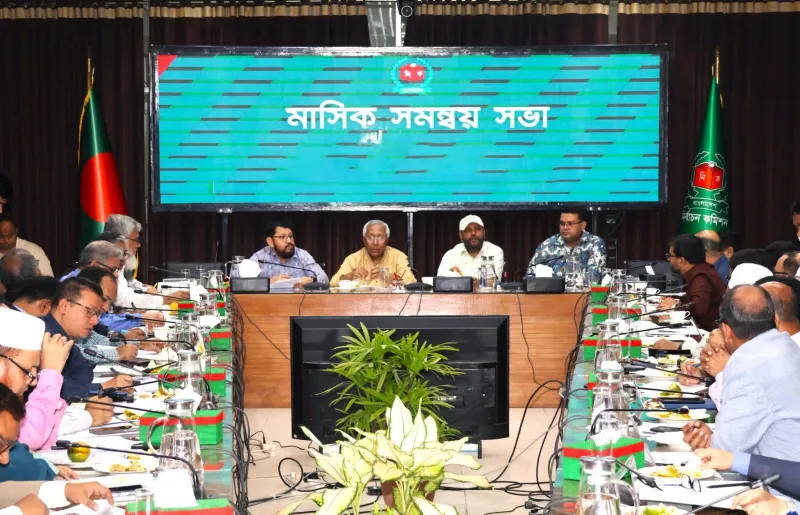
During such reviews, parliamentary committees may examine the budget utilization reports of relevant ministries and departments, assess the implementation status of ongoing projects and identify possible obstacles to achieving financial and development targets.
Financial experts emphasize that the success of a national budget should not be measured solely by the amount of money allocated or spent. Its real impact depends on how effectively public resources contribute to essential services, infrastructure development and the overall well-being of citizens.
Regular parliamentary oversight can help improve transparency, strengthen institutional accountability and ensure more effective monitoring of public expenditure. It can also support better coordination among government agencies and encourage timely implementation of development initiatives.
Ensuring that public funds are spent responsibly and that development targets are achieved remains essential for sustainable economic progress and good governance.