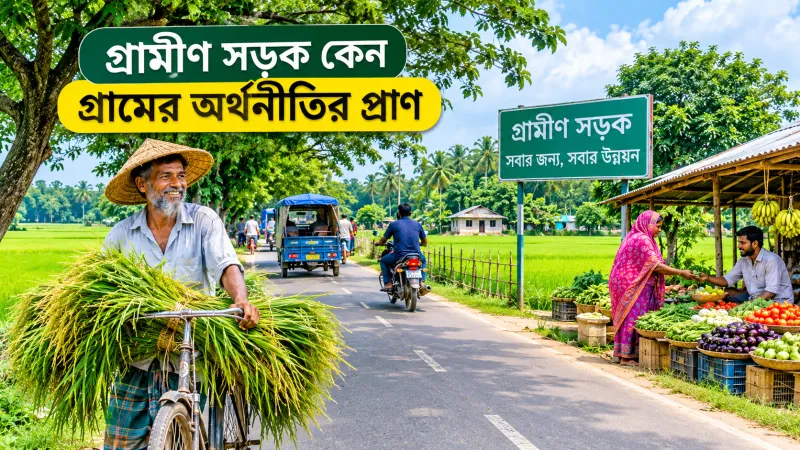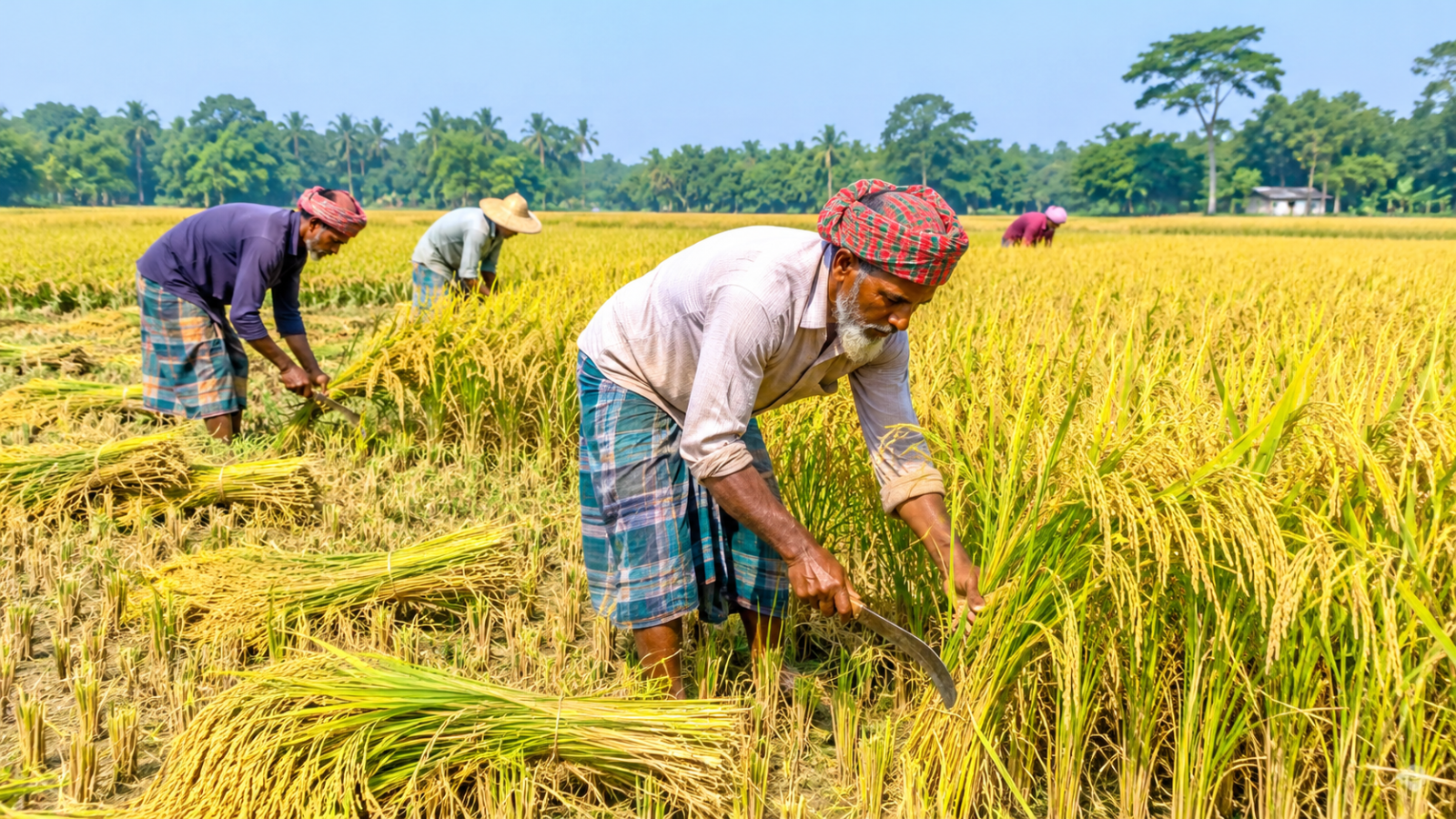
“Nabanna” means “new food”. It is celebrated in the late-autumn month of Agrahayan, when the Aman rice harvest is gathered. It has been part of agrarian Bengal’s culture for centuries.
From field to courtyard
Golden fields are harvested by groups of farmers, and the courtyards fill with threshing, winnowing and drying. The smell of new rice signals the start of festivities.
Pitha and payesh
New rice flour and date-palm molasses become bhapa, chitoi, patishapta, puli and other rice cakes, while rice pudding (payesh) is a highlight. Families share the first cooked rice with relatives and neighbours and invite married daughters and in-laws home.
Folk celebrations
Village fairs offer clay toys, bamboo crafts, puffed-rice sweets and merry-go-rounds, and in some places folk songs, stick fighting and boat races. Bengali literature often portrays Nabanna as a symbol of farmers’ hope.
In the cities
Cultural groups in towns celebrate on the first day of Agrahayan with music, dance, poetry and pitha fairs, introducing the tradition to new generations.
Above all, Nabanna is a thanksgiving for farmers’ labour—a reminder to ensure them fair prices and respect.