People move to cities every day for work, education and healthcare. Urbanisation is part of development, but unplanned growth makes cities hard to live in: hours lost in traffic, waterlogging after light rain, air and noise pollution, and vanishing playgrounds and ponds.
What makes a city sustainable
- Mobility built around buses, rail and metro rather than private cars.
- Walkable streets with clear footpaths, safe crossings and cycle lanes.
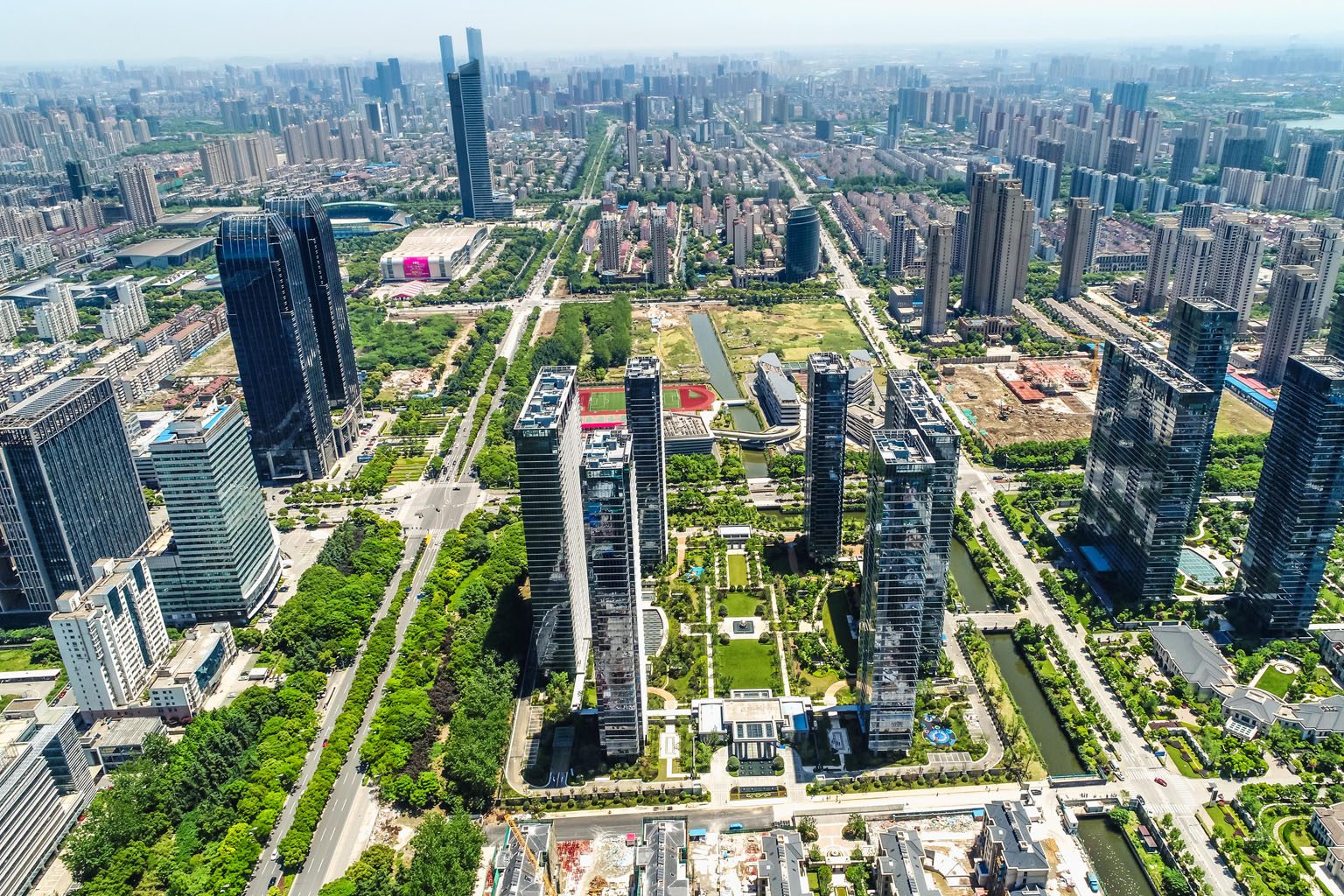
- Green and blue infrastructure—parks, trees, canals and ponds that cool the city and hold rainwater.
- Mixed use, with homes, jobs, schools and markets close together.
- Waste separation, recycling and composting.
- A city for everyone, including low-income people, women, children, the elderly and people with disabilities.
Why now
Once canals are filled or fields built on, recovering them is costly or impossible. With heavier rain and heatwaves expected, today’s decisions will shape how liveable our cities are for decades.
Start with smaller towns
District and upazila towns can learn from big-city mistakes through master plans, enforced building codes and protection of water bodies and farmland.
Citizens matter too: following building rules, keeping footpaths free, disposing of waste properly and joining local planning debates. A city’s success should be measured by how safely a child can walk to school and how comfortably an elderly person can sit in a park.
(Opinion pieces reflect the author’s own analysis.)